
Septic Repair vs. Replacement: How to Decide in Ontario
Helpful tips, practical advice, and expert guidance to keep your septic system running smoothly and your property protected year-round.
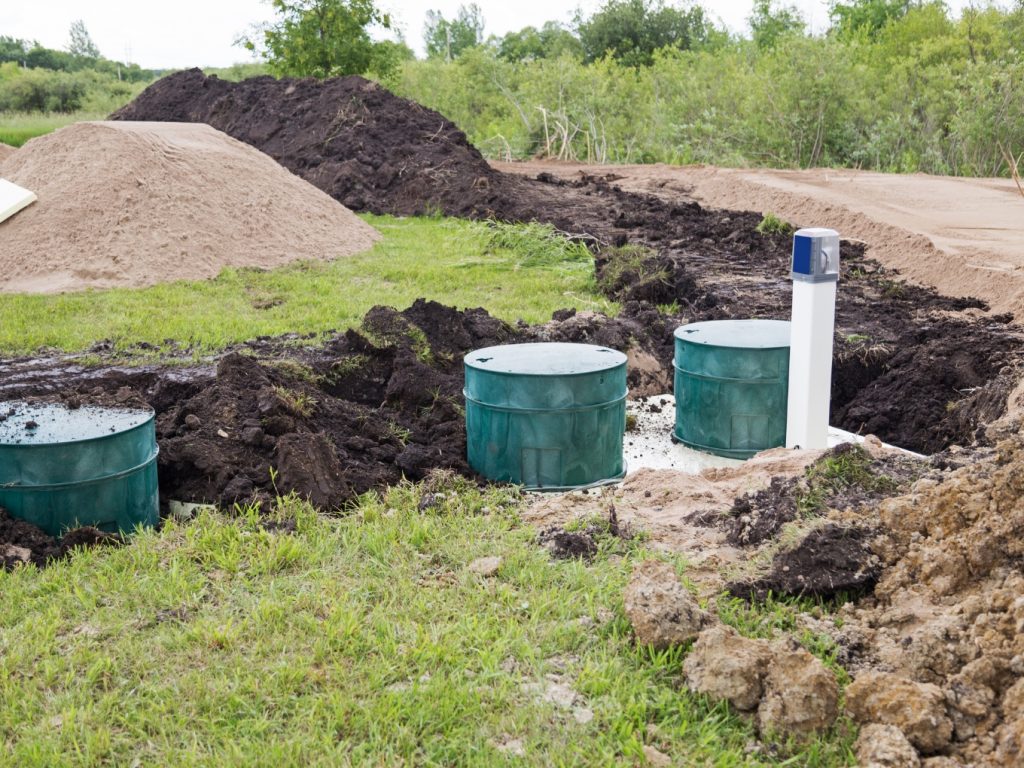
When a septic system starts causing trouble, it is natural to worry that the whole system needs replacing. Sometimes the answer is much smaller. Other times, repairing one part will not resolve the underlying problem.
The difference depends on what has failed, the condition of the remaining components, and what can be done safely and appropriately on your property. Before committing to a septic repair or replacement, the first step is to find out what is actually happening.
Start With the Problem, Not the Solution
Slow drains, sewage backups, odours, and wet areas near the leaching bed are all reasons to have a septic system assessed. None of them, on its own, tells you whether the answer is pumping, a repair, or a new system. A plumbing issue inside the house can also look like a septic problem from the homeowner’s perspective.
Ontario’s SepticSmart guide recommends starting with an inspection if you suspect a problem. The tank may need cleaning, or the issue may involve another part of the system that requires a different response.
If sewage is backing up into the home or wastewater appears to be surfacing outdoors, contact a septic professional promptly. Describe what you are seeing rather than trying to diagnose the system yourself.
When Might a Septic Repair Make Sense?
A repair may be appropriate when the cause can be identified and addressed without replacing the whole system. The work could involve a particular component or part of the distribution system. What is possible depends on the condition of the rest of the system and an assessment of the site.
Questions worth asking include:
- Is the problem confined to one part of the system?
- Is the tank, leaching bed, or other equipment otherwise in workable condition?
- Will the proposed repair address the cause, rather than provide temporary relief?
- What approvals are needed before work begins?
Routine septic pumping may be part of getting a system back on track if the tank needs service. Pumping is not, however, a substitute for repairing a damaged component or investigating a leaching bed problem.
When Might Replacement Be the Better Option?
Replacement may need to be considered when the system cannot be restored to reliable operation with an appropriate repair, or when a major component has failed. That does not always mean every existing component must be removed and replaced. The extent of the work has to be determined for the specific property.
A proposed replacement should come with an explanation of what is wrong with the current system, which parts need to change, and why a smaller repair is not a suitable long-term answer. For a new or replacement sewage system, Ontario’s Building Code requires a site evaluation. The design must account for the property’s conditions and intended use.
Age is useful background, but it is not a diagnosis. An older system should be assessed on its condition and performance; a newer system can still develop a problem that needs attention.
What Determines the Right Approach?
A septic professional may consider several factors before recommending repair or replacement:
- The location of the issue: Is it at the tank, in a line, in treatment equipment, or around the leaching bed?
- The condition of the rest of the system: Would the remaining components continue to serve the property after the proposed work?
- The property’s needs: Has the home or its use changed since the system was installed?
- Site conditions: What do the available records and on-site assessment show about the system’s layout and the property?
- Approvals and scope: What work can be approved, and what steps are required before it begins?
If you have a permit, system plan, past inspection report, or pumping and repair records, have them ready. They can help the professional understand the system’s history, though on-site conditions still need to be assessed.
Ask These Questions Before Approving the Work
- What evidence points to the cause of the problem?
- What part of the system is proposed for repair or replacement?
- Is there a smaller viable option? If not, why not?
- What remains uncertain until further assessment or excavation?
- Who will handle the design, permits, and required inspections?
- How should the system be maintained after the work is complete?
For a significant project, it is reasonable to ask for the proposed scope in writing and seek a second opinion if the diagnosis or options are unclear. Ontario’s SepticSmart guide also recommends a second opinion when dealing with a malfunctioning system.
Do Septic Repairs and Replacements Need Permits in Ontario?
Do not assume a repair can begin without approval. Ontario’s building-permit guidance identifies installation, alteration, extension, and repair of an on-site sewage system as work for which a permit may be required. The requirements depend on the work and the authority responsible for septic systems where the property is located.
That authority is usually the municipality, but in some areas it is a health unit, conservation authority, or upper-tier municipality. Before proceeding, confirm the requirements with the appropriate local authority. VDN’s installation and repair service includes guidance through permit and planning steps when they apply.
Frequently Asked Questions
Can pumping fix a septic system problem?
It depends on the cause. A tank that needs pumping may be part of the problem, but pumping will not repair a damaged component or a failing leaching bed. If symptoms return or the cause is unclear, have the system assessed.
Can just the septic tank or leaching bed be replaced?
Sometimes work can be limited to part of a system, but that cannot be decided from a symptom alone. The condition of the remaining components, site conditions, design requirements, and required approvals all matter.
Does an old septic system automatically need replacement?
No. Age can prompt closer questions about records, maintenance, and condition, but it does not establish that the system has failed. An assessment is the way to determine what work, if any, is needed.
Should I repair the system before selling my home?
Start by finding out what the issue is and documenting the findings. If work is recommended, discuss its scope and timing with your septic professional, real estate agent, and lawyer before deciding how to proceed with the sale.
Get a Clear Answer for Your Property
VDN Septic Service Ltd works with homeowners, farms, and rural properties on septic system repairs and replacements across its service area. If you are seeing signs of trouble or have been told your system needs work, contact VDN to discuss the property and the next step.
Get In Touch
Have Questions?
From routine maintenance to urgent septic issues, our team is here to help keep your system working properly and your property protected.
Get In Touch
Need Septic Service? Call Us Today.
For septic pumping, septic system installation and repairs, riser installations, and septic system inspections, VDN provides reliable local service across Oxford, Elgin, and Norfolk Counties.
We offer 24/7 emergency service for urgent issues, with after-hours and weekend calls available when needed.