
How Often Should You Pump a Septic Tank in Ontario?
Helpful tips, practical advice, and expert guidance to keep your septic system running smoothly and your property protected year-round.
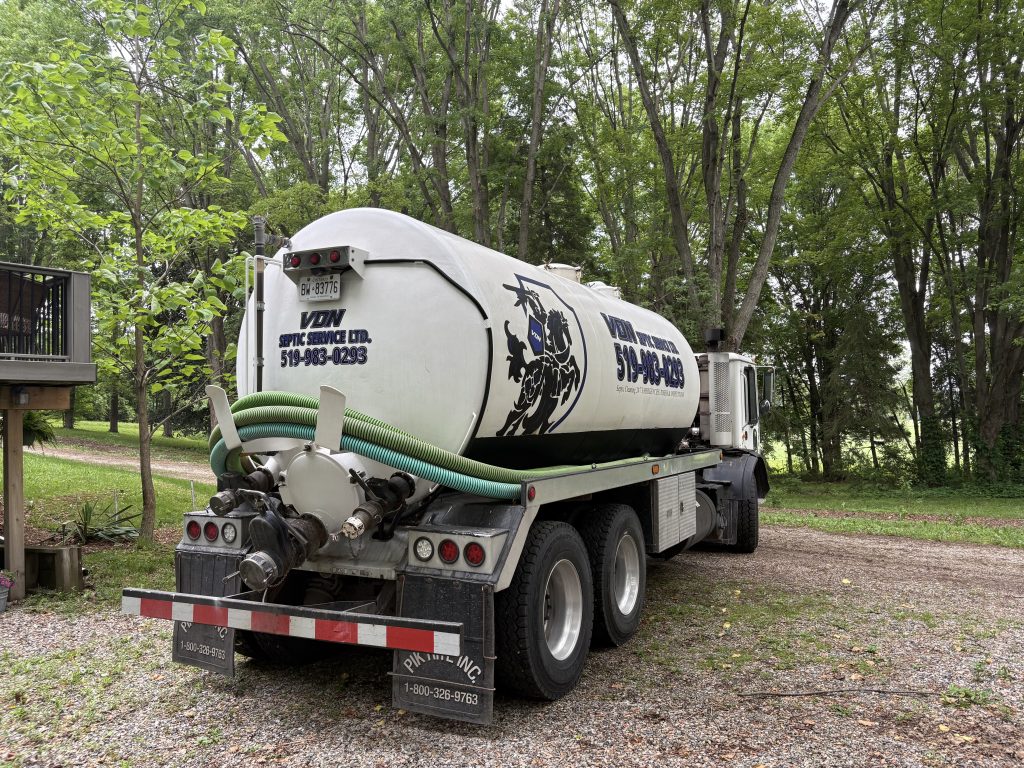
Short answer: If you have a conventional septic system in Ontario, arrange for a professional to check your tank about every three to five years and pump it when the buildup of sludge and scum calls for it. Many households end up pumping within that same timeframe, but the right interval depends on how the system is used and what the technician finds.
If you do not know when your tank was last checked or pumped, do not wait for a backup to find out. A visit can establish the tank’s condition and give you a more useful maintenance schedule for your property.
What Does Ontario Recommend?
The Province of Ontario’s SepticSmart guide recommends having a qualified professional check a septic tank for sludge and scum buildup every three to five years and pump out the accumulated material when required. Ontario’s Building Code calls for a conventional Class 4 septic tank to be cleaned when sludge and scum occupy one-third of the tank’s working capacity.
That makes three to five years a sensible inspection reminder, not a promise that every tank can safely wait five years or that every tank must be pumped at exactly three years. The buildup inside the tank is what matters.
Why Does a Septic Tank Need Pumping?
In a conventional system, heavier solids settle to the bottom of the tank as sludge, while fats and other lighter materials form a scum layer at the top. Liquid wastewater moves onward for further treatment in the leaching bed. Some material breaks down in the tank, but sludge and scum still accumulate over time.
Pumping removes that buildup. If too much accumulates, solids can move farther through the system and create problems that are more involved than a routine pump-out. Regular maintenance also gives you an opportunity to learn about visible concerns before they become more disruptive.
What Affects How Often You Need Pumping?
There is no reliable schedule based on the age of the house alone. A professional recommendation should consider:
- Tank capacity: The size of the tank relative to the property’s use affects how quickly solids build up.
- Number of occupants: A busy household generally sends more wastewater and solids into the system than a lightly used property.
- Water use: Leaky fixtures, frequent laundry, and heavy daily use put more demand on the system.
- What goes down the drain: Grease, food waste, wipes, and other unsuitable materials can create avoidable problems. Ontario advises against using a garbage disposal unless the system was designed for it.
- System type and history: An advanced treatment unit may have its own required maintenance schedule. Past service records and the condition observed during a visit are more useful than a generic calendar rule.
If your household size or water use has changed since the last pump-out, mention that when you schedule service. It may change the interval that makes sense for your property.
How Do You Know When It Is Time?
The best approach is to keep a record of previous visits and have the tank checked before problems appear. Ask the service provider what they found, whether pumping was needed, and when the next check should be scheduled. If the tank has an effluent filter, ask about its maintenance too; Ontario recommends checking and cleaning filters regularly.
You cannot judge sludge and scum buildup just by looking at your yard or waiting for the toilets to slow down. Do not open or enter a septic tank yourself. Tank access and inspection should be handled by a qualified professional.
Warning Signs That Need More Than a Calendar Reminder
Call for help promptly if you notice:
- Drains that have become unusually slow or toilets that back up
- Sewage odours around the tank or yard
- Wet, spongy, or unusually green ground over the septic area
- Wastewater pooling at the surface
These symptoms may mean the tank needs attention, but pumping is not automatically the whole solution. A blocked filter, plumbing issue, or problem with the leaching bed may also need to be assessed. Ontario’s septic system resources recommend investigating signs of a malfunctioning system rather than ignoring them.
What If You Do Not Know the Last Pumping Date?
Start by checking any records left by a previous owner, past invoices, or documents kept with the property. If you cannot find a date, arrange a professional visit. Let the provider know whether the tank lids are accessible, whether you have noticed any symptoms, and what you know about the system.
Buried lids are common on older properties. VDN can help locate tank access, and riser installation may make future maintenance easier if the lids must be uncovered every time.
Keep Your System on Track Between Visits
Good habits will not replace pumping, but they can help your septic system work as intended:
- Keep a record of inspections, pump-outs, repairs, and filter maintenance.
- Fix leaking plumbing and spread heavy water use, such as laundry, across the week.
- Keep cooking grease, wipes, hazardous chemicals, and food waste out of the system.
- Keep vehicles and heavy equipment off the tank and leaching bed.
- Direct rainwater and sump-pump discharge away from the septic system.
Ontario’s SepticSmart guide has further homeowner maintenance advice.
Common Questions
Is septic pumping required every three years in Ontario?
There is no single three-year pumping schedule that fits every conventional system. Ontario recommends a professional check every three to five years, with pumping based on the buildup found in the tank. Your system may need attention sooner, particularly if its use has changed or you notice a problem.
Should I wait until my septic system backs up?
No. A backup is a sign that something needs prompt attention, not a useful maintenance reminder. Regular checks help you plan a pump-out before an avoidable problem develops. If a backup is already happening, the system should be assessed; pumping alone may not resolve the cause.
Do cottages and lightly used properties need septic maintenance?
Yes. Lighter use may affect how quickly solids accumulate, but it does not eliminate the need to check the system. Keep records and ask a professional to recommend an interval based on the tank, usage, and condition.
Need Help Planning Your Next Pump-Out?
VDN Septic Service Ltd provides septic tank pumping for homes, farms, and rural properties across its service area. If you are unsure when the tank was last serviced, cannot find the lids, or have noticed a change in how the system is working, contact VDN with your property details and we will help you determine the next step.
Get In Touch
Have Questions?
From routine maintenance to urgent septic issues, our team is here to help keep your system working properly and your property protected.
Get In Touch
Need Septic Service? Call Us Today.
For septic pumping, septic system installation and repairs, riser installations, and septic system inspections, VDN provides reliable local service across Oxford, Elgin, and Norfolk Counties.
We offer 24/7 emergency service for urgent issues, with after-hours and weekend calls available when needed.